
Certified vs Non-Certified Aircraft
Kozi Worx offers both!
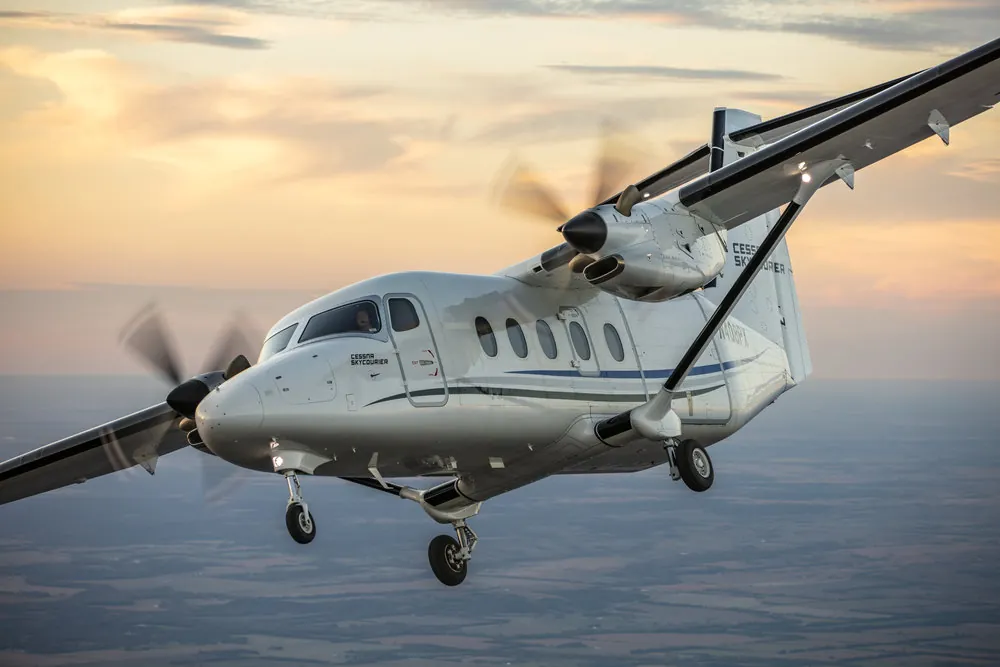
Certified
Certified aircraft have been tested, inspected and approved by national aviation authorities under strict regulatory standards. Every component, modification and maintenance procedure must follow approved designs and documented processes. Certified aircraft offer high levels of safety assurance, standardised performance and broad operating privileges, but they are significantly more expensive to build, operate and maintain because of the extensive compliance requirements.
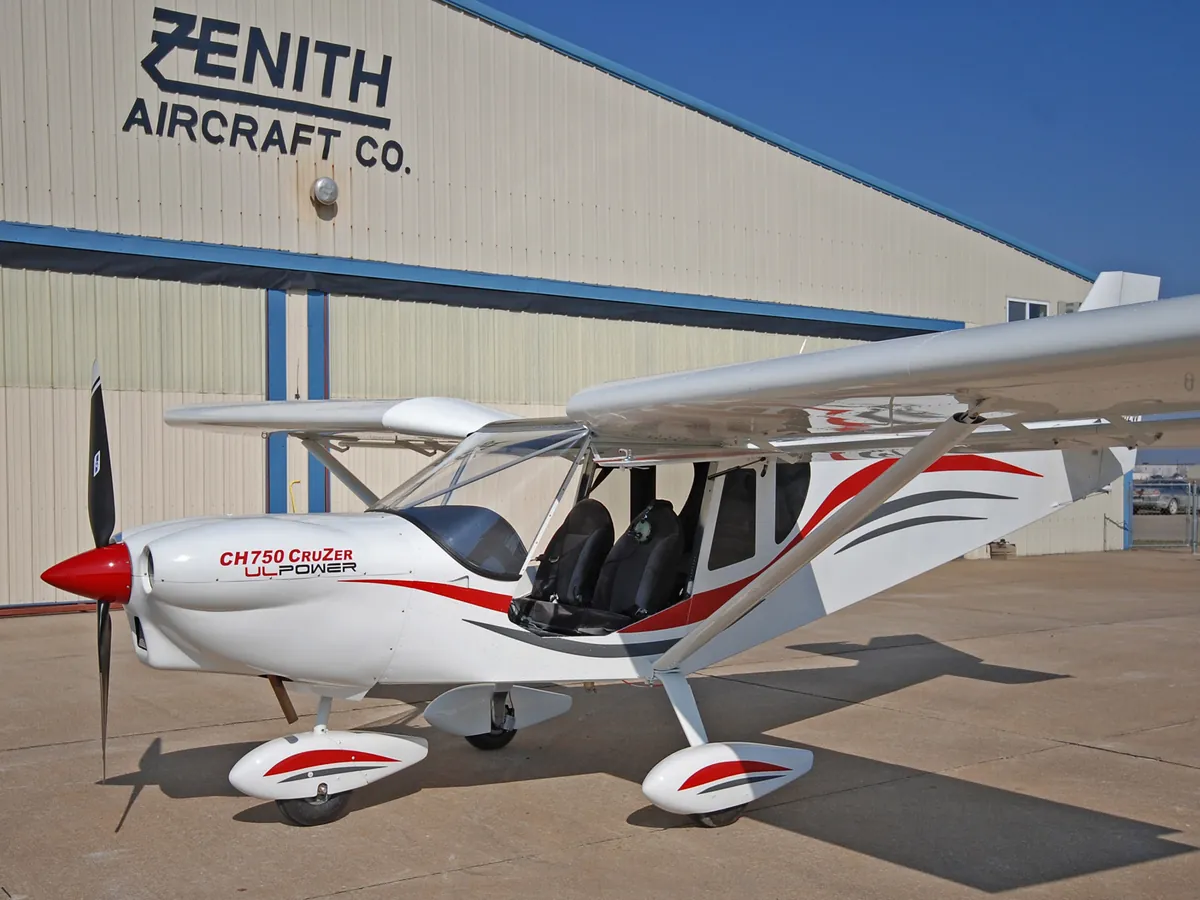
Non-certified
Non-certified aircraft follow a more flexible regulatory path, in which the builder takes primary responsibility for construction quality, configuration and maintenance. They allow rapid innovation, lower costs and simpler ownership, which makes them popular for recreational flying and builder-assist programmes. They must still meet safety guidelines and pass inspections before flying, but their operating privileges are narrower, and their airworthiness depends more directly on build quality and ongoing care.
Key differences
| Category | Certified aircraft | Non-certified (experimental) aircraft |
|---|---|---|
| Regulation | Fully approved by national aviation authorities under strict standards | Built and operated under more flexible experimental regulations |
| Safety assurance | High: every component and process must meet approved specifications | Variable: depends largely on build quality and maintenance discipline |
| Cost | High purchase and maintenance costs due to compliance requirements | Lower costs for purchase, assembly and upkeep |
| Design and modifications | Changes require formal approval and documentation | Modifications allowed with minimal bureaucracy |
| Maintenance | Must be performed by certified technicians following approved procedures | Owner maintenance allowed; fewer formal requirements |
| Speed of innovation | Slow: changes must pass regulatory review | Fast: ideal for new designs, materials and technologies |
| Operating privileges | Broad; can be used for commercial operations (where allowed) | Typically restricted to non-commercial, personal or government use |
| Training and licensing | Standard licensing and type training often required | Training requirements are simpler, depending on local rules |
Not sure which is right for you? Ask us, or see our aircraft and prices.